

How Essential Oils Enhance Organic and Natural Skin Care
key Takeaways
The Anti-Aging Trifecta: Helichrysum stands out as a must-have ingredient because it single-handedly provides the three core properties needed for youthful skin: potent antioxidant protection, deep anti-inflammatory relief, and powerful cellular regeneration.
The Emotional Skin Loop: Chronic stress and anxiety directly trigger physical skin conditions like acne, extreme sensitivity, and dermatitis. By placing aromatic essential oils in a facial care routine, the continuous inhalation naturally lowers stress to prevent subsequent skin damage.

Connection to Nature
Using natural organic and botanical ingredients in skin care is an ideal method to connect, or reconnect, with nature. Connection to nature is important to human emotional health. Positive emotions equal healthy skin. Essential oils, known for their skin health benefits and to balance, soothe and uplift emotions, are also a source to connect with nature on a biological level. Volatile compounds from plants (the essential oils) are a part of being in wooded forests, fields and the natural environment. The use of essential oils, especially in skin care, is an olfactory link to the natural environment and the positive emotions associated.
Antioxidant, anti-inflammatory, cell regeneration
Essential oils provide three main properties desired to protect and develop healthy youthful skin:
Antioxidants protect cells from free radical damage, a cause of aging and skin disease. Free radicals also contribute to sun (UVR) damage. Most essential oils deliver good antioxidant protection, with suggested choices of myrrh, Virginia cedarwood, clary sage and coriander.
The anti-inflammatory benefits of essential oils in skin care include healthy-aging and assist in healing of sensitive or allergic skin conditions. German chamomile or Tannacetum annuum are excellent for extreme sensitivity and inflamed conditions. Atlas cedarwood, Black pepper, copaiba and patchouli are just some of the many essential oils used in anti-inflammatory skin care.
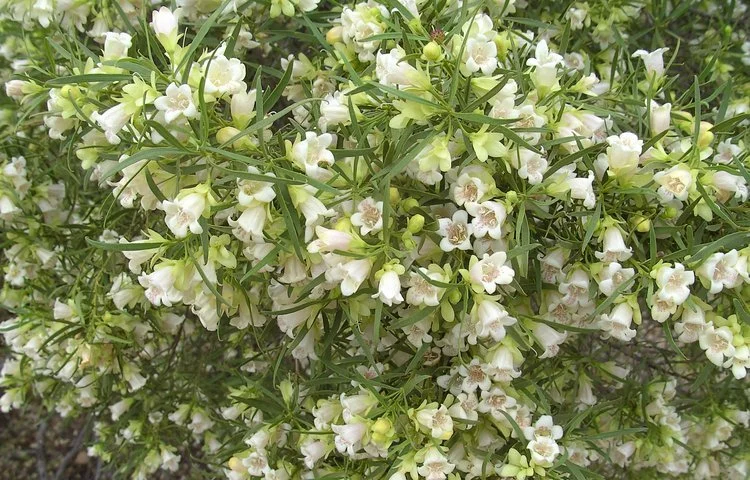
The cell regenerative properties of palmarosa, rose, lavender, Eucalyptus dives, and Buddha wood promote healthy cell structure to maintain a youthful and vibrant appearance to skin.
Helichrysum is by far the most beneficial skin nurturing essential oil as it provides all 3 of these properties. Helichrysum is a must-have in healthy-aging, healing, scar and wrinkle reduction, and for any protective and regenerative skin care formula.
Safe use of essential oils for skin
The main caution for use of essential oils in skin care is avoiding sensitivity and sensitization (the allergic response to over using oils). Some may have an individual sensitivity or allergy to certain essential oils. Simply don’t use the oils that cause any irritation, redness or discomfort. Sensitization is avoided by using reasonable dilutions; 1.5% is recommended in facial care. Changing the oils used periodically also helps to avoid sensitivities and reactions to essential oils. Remember not to use known irritant oils like thymol type thyme, oregano, cinnamon or clove, as well as, for some, the lemony oils like lemongrass or Litsea cubeba in skin care formulas. Safety regarding essential oil use in skin care is a topic worth investigating further.
Emotions and skin
Essential oils are well documented for their anti-stress, anti-anxiety and emotional balancing properties often through inhalation of the oils. The use of essential oils in skin care puts these oils in an ideal position for smelling. Stress, anxiety and emotional imbalance negatively effects skin. It is related to acne, sensitive skin, inflammation and atopic dermatitis. Reducing stress and balancing emotions will provide healing benefits and prevent damage to the skin.
Fragrance Profile
Flowering Buddha Wood
Fragrance profile
Developing an appealing fragrance with essential oils is one of the most artistic skills to using them. Fragrance creates ideas, stories and directs the user to a certain perception of the product. A fragrance profile is designed around who the user is; sex, age, personality and personal appeal. Tea tree and eucalyptus have a fragrance that sends a message related to medicinal healing and useful for acne. A citrus aroma is uplifting, and florals can be exotic, sultry with potentially sweeter notes. Woody, resiny fragrances provide a grounded feel and can be a foundational note to the finished fragrance.
Fragrance is extremely important in skin care as it is a key selling point for many consumers. Fragrance creates an identity and the branding of a skin care product. In the creation of the essential oil aroma think about the message and story the scent is trying to express.