

How I Created An Effective Mosquito and Tick Repellent
Key Takeaways
Rising Threat: Warming global temperatures have increased tick and mosquito populations, raising the risk of diseases like Lyme disease and West Nile virus.
Natural Alternatives to DEET: While DEET is the standard chemical choice, natural plant extracts can equal or surpass its effectiveness without the synthetic downsides.
Scientific Super-Repellers: Research proves lemon eucalyptus (containing the compound PMD) provides protection comparable to DEET, while nootkatone (found in Alaskan yellow cypress) actively repels bugs and kills their larvae.
The Synergistic Formula: Combining lemon eucalyptus, lemon myrtle, lavender, geranium, lemongrass, and nootka essential oil prevents bug bites completely while maintaining a pleasant, fresh fragrance for humans
Nature’s Shield: Harnessing Essential Oils for a Highly Effective, Chemical-Free Insect Repellent
Buzzing, irritating, biting bugs are a foundational annoyance of warm weather activity and life. They invade the kitchen and sneak through crevices of your home barriers to sting while you innocently sit on your couch. A walk outside can mean potential Lyme disease from the blood sucking deer tick or getting Zika, West Nile disease, chikungunya or dengue fever, delivered by a mosquito. The warming planet has proliferated the community of disease carrying ticks and mosquitoes. It’s a nuisance - or worse.
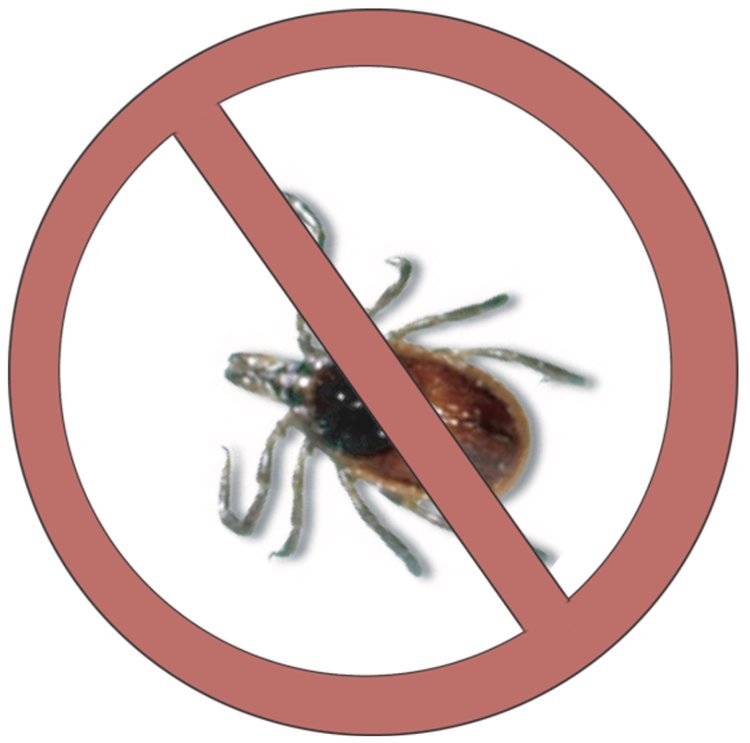
Best bug repellents
Since the 1950’s the most common solution to curb bug biting has been DEET. This chemical originally developed for military use works well at repelling disease carrying insects. Though considered safe, many consumers opt-out due to a list of valid, and not so valid, concerns. Because nature has this game figured out, there is an assortment of natural extracts that equal, and surpass, the effectiveness of the human made repellents.
Citronella is a fragrance associated with bug repellent and one the most popular extracts, though not the most effective. Eucalyptus citriodora (lemon eucalyptus) has been researched to show it comparable to DEET in effectiveness. The fragrance of eucalyptus citriodora, and some of its chemistry, is similar to citronella. It also contains a compound called p-menthane-3,8-diol (PMD), though not contained at high amounts in the whole oil so is often isolated or synthetically developed (called citriodiol) and included in bug repellents.
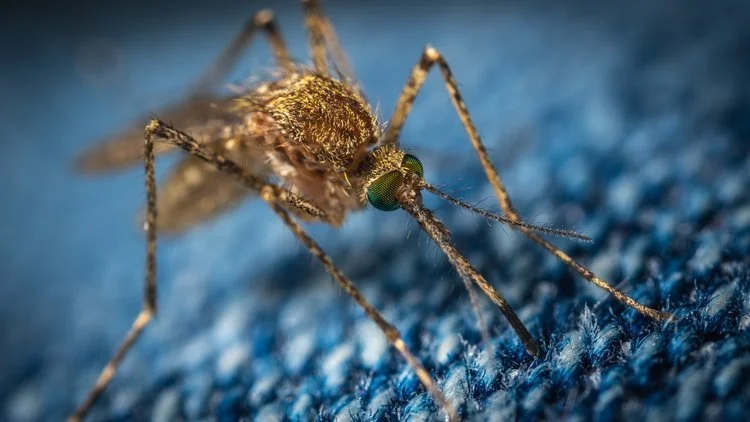
The challenge
When I was spending time on the tick infested Maryland Eastern Shore by the Chesapeake Bay I found many people with Lyme disease and a desperation to repel ticks, mosquitoes and chiggers. In depth research led me to combining lemon myrtle, with the eucalyptus citriodora and a synergy of lavender, geranium, lemongrass, Atlas cedar and a few other essential oils. This formula was highly effective. It didn’t always keep the bugs away, just great at preventing the bites.
I later received information regarding a compound in grapefruit, mostly in the fruit, and Alaskan yellow cypress (or nootka), called nootkatone. It’s documented as a powerful tick and mosquito repellent and insecticide. Not only repels, it kills the larvae of both the ticks and mosquitoes. Nootkatone on its own is an expensive ingredient and may be cost prohibitive for topical or environmental spray use. When nootka esssential oil is incorporated into a repellent, it delivers significant enhanced performance.
After a few tweaks and refinement I have developed a bug repellent using a synergistic combination of potent and well-researched essential oils. The great thing about using this selection of essential oils is the ability to create a pleasant, wearable fragrance. It does have the typically lemon-ish odor with a more complex woody, herbal and citrusy essence. It would be repulsive to bugs while being attractive to humans.

The No Bugs Solution
Essential oils are great insect repellents. Here are some essential oil suggestions and how to use them to effectively prevent mosquito, ticks and other bugs...